

India में policy-making हमेशा executive और legislature तक सीमित नहीं रही है। Judiciary, खासकर Supreme Court, ने समय-समय पर ऐसे फैसले दिए हैं जिन्होंने national policies की दिशा और nature दोनों को प्रभावित किया है। हालिया Supreme Court verdict भी इसी कड़ी का एक अहम हिस्सा है, जिसने कई key national policies पर सीधा और अप्रत्यक्ष असर डाला है।
India में constitutional democracy का framework checks and balances पर आधारित है। इसका मतलब यह है कि Government policies को constitutional limits के भीतर रहकर लागू करना होता है। जब भी कोई policy इन limits से टकराती है, तो judiciary का intervention जरूरी हो जाता है। हाल का फैसला इसी constitutional role को दोबारा highlight करता है।
Verdict का Background और Context
हाल के वर्षों में कई policies को लेकर public interest litigations और constitutional challenges सामने आए हैं। इनमें social welfare schemes, regulatory frameworks, federal powers, environmental norms और individual rights जैसे मुद्दे शामिल रहे हैं। Supreme Court ने अपने verdict में साफ किया कि policy formulation सरकार का अधिकार है, लेकिन constitution के basic structure और fundamental rights से समझौता नहीं किया जा सकता।
यह फैसला policy-makers के लिए एक reminder है कि governance efficiency के साथ-साथ constitutional compliance भी उतनी ही जरूरी है।
National Policies पर Immediate Impact
इस verdict का immediate impact उन policies पर पड़ा है जो executive notifications या delegated legislation के जरिए लागू की गई थीं। Court ने यह साफ किया कि delegated powers का misuse नहीं होना चाहिए और हर policy decision के पीछे legislative intent और constitutional backing होनी चाहिए।
इससे कई ministries को अपनी existing policies का legal review करना पड़ सकता है। Policies को redraft करने, guidelines clarify करने और implementation mechanisms को transparent बनाने की जरूरत महसूस की जा रही है।
Federal Structure और State Governments
India का federal structure एक delicate balance पर टिका है। Supreme Court के इस verdict ने Centre और States के बीच power-sharing को भी re-emphasize किया है। Court ने कहा कि States के अधिकारों को bypass करके national policies लागू करना constitutional spirit के खिलाफ हो सकता है।
इससे State Governments को policy implementation में ज्यादा confidence मिलेगा, वहीं Centre को cooperative federalism के model को और मजबूत करना होगा।
Economic और Regulatory Policies पर असर
Economic reforms और regulatory policies अक्सर long-term impact के लिए design की जाती हैं। Court के verdict से यह clear signal गया है कि economic efficiency के नाम पर constitutional safeguards को ignore नहीं किया जा सकता।
Regulatory bodies को अब ज्यादा accountable framework के तहत काम करना होगा। Transparency, stakeholder consultation और reasoned decision-making पर ज्यादा जोर दिया जाएगा। इससे business environment में short-term adjustments हो सकते हैं, लेकिन long-term stability और trust बढ़ेगा।
Social Policies और Individual Rights
Supreme Court traditionally fundamental rights का guardian रहा है। इस verdict में भी individual rights को policy convenience से ऊपर रखा गया है। Social policies, चाहे वो welfare schemes हों या regulatory restrictions, उन्हें rights-based approach के साथ implement करना होगा।
इससे marginalized communities, civil society groups और citizens को policy discourse में ज्यादा मजबूत position मिलेगी।
Political Reactions और Policy Debate
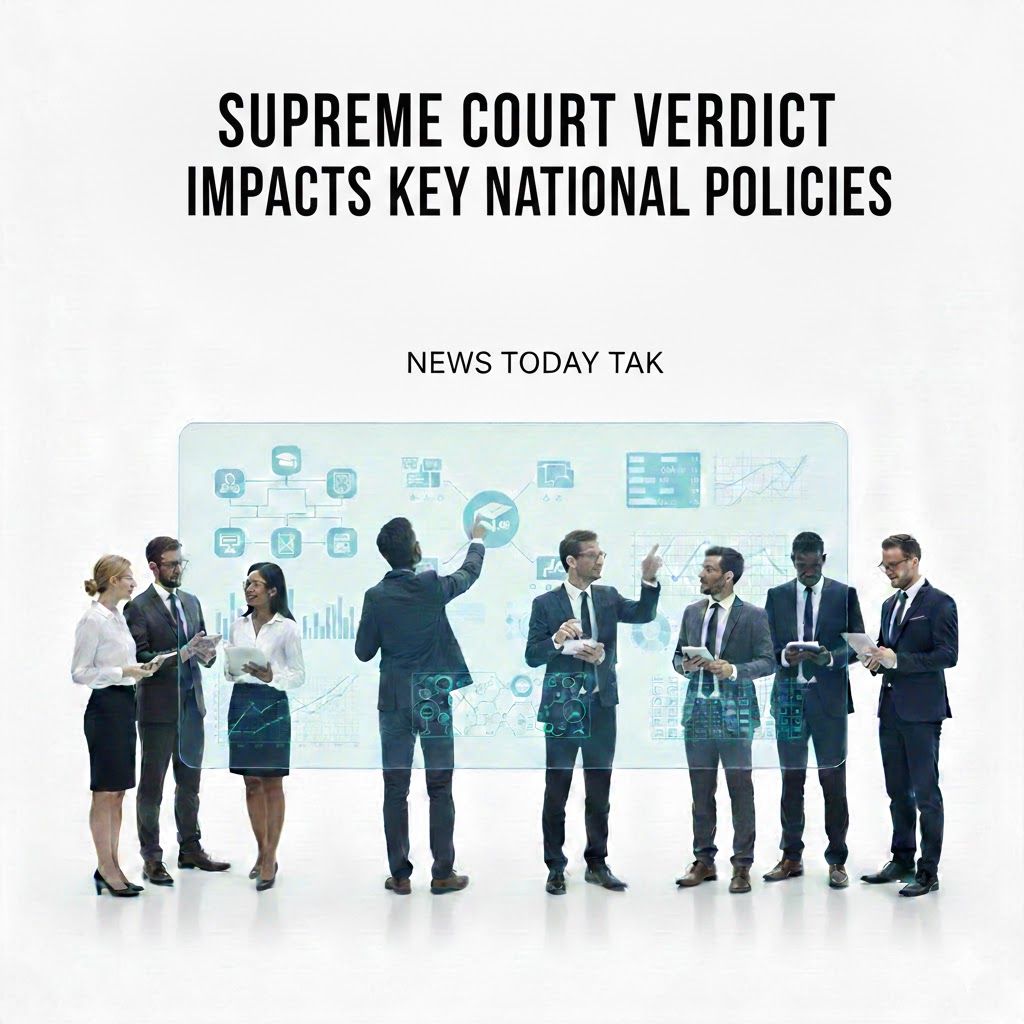
इस verdict के बाद political reactions भी सामने आए हैं। Ruling side ने इसे constitutional clarity के रूप में देखा है, जबकि opposition parties इसे executive overreach पर judicial check बता रही हैं। Policy debate अब सिर्फ political narratives तक सीमित नहीं रहेगा, बल्कि legal और constitutional dimensions भी चर्चा के केंद्र में रहेंगी।
Experts मानते हैं कि इससे future policies ज्यादा structured और legally vetted होंगी।
Long-Term Governance Implications
Long-term perspective से देखें तो यह verdict governance quality को improve कर सकता है। Ministries और departments policy drafting के stage पर ही legal experts और constitutional advisors को involve करेंगे। इससे policies court challenges में टिकाऊ बनेंगी और implementation delays कम होंगे।
Judicial scrutiny का डर policy paralysis नहीं, बल्कि better governance की ओर एक push माना जा रहा है।
Judiciary और Democracy का Role
India में judiciary का role अक्सर debate का विषय रहता है। कुछ लोग इसे judicial overreach कहते हैं, तो कुछ constitutional necessity। इस verdict ने judiciary के उस role को फिर से define किया है जहाँ Court policy decisions नहीं लेती, लेकिन उनकी constitutional validity जरूर check करती है।
यह democracy के लिए healthy sign माना जा रहा है, क्योंकि इससे institutions के बीच balance बना रहता है।
Why This Verdict Matters Today
आज के समय में जब India rapid economic growth, digital governance और global integration की ओर बढ़ रहा है, policy decisions का impact भी multi-dimensional हो गया है। Supreme Court का यह verdict policy-makers को cautious, citizens को empowered और institutions को accountable बनाता है।
यह सिर्फ एक legal judgment नहीं, बल्कि governance philosophy पर एक strong statement है।
NewsTodayTak पर Analysis क्यों जरूरी है
ऐसे complex legal और policy-driven developments को सिर्फ headline में समझना मुश्किल होता है। NewsTodayTak पर हम इन verdicts के background, impact और future implications को सरल भाषा में explain करते हैं, ताकि readers सिर्फ news न पढ़ें बल्कि उसका मतलब भी समझ सकें।
NewsTodayTak का focus यही है कि national policies और judiciary के फैसलों के बीच के connection को ground reality से जोड़कर दिखाया जाए।
Conclusion
Supreme Court verdict जिसने key national policies को impact किया है, वह Indian democracy के evolving nature को दर्शाता है। यह फैसला policy-makers के लिए caution, citizens के लिए reassurance और institutions के लिए accountability का message लेकर आया है।
आने वाले समय में इसका असर नई policies के design, implementation और review process में साफ दिखाई देगा। Governance का future अब सिर्फ speed और scale पर नहीं, बल्कि constitutionality और inclusiveness पर भी depend करेगा। ऐसी ही in-depth और reliable national news analysis के लिए NewsTodayTak से जुड़े रहना जरूरी है।