

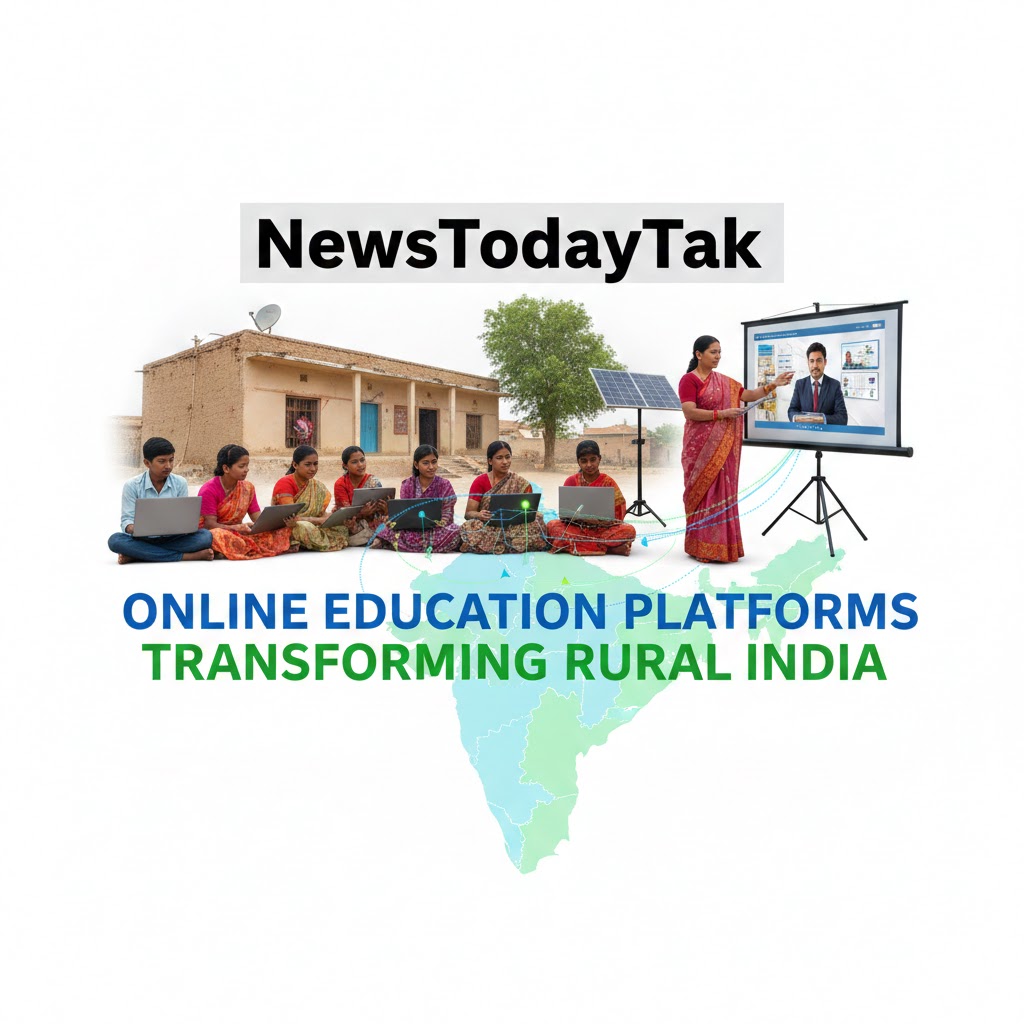
Online education platforms are rapidly transforming rural India by breaking long-standing barriers to learning. For decades, students in villages and small towns struggled with limited schools, teacher shortages, poor infrastructure, and lack of exposure to competitive education. Today, digital learning is changing that reality. Affordable smartphones, improving internet connectivity, and the growing acceptance of online education have created new opportunities for millions of rural learners across India.
Challenges Faced by Rural Education Systems
Rural education has historically faced multiple challenges, including long travel distances to schools, lack of trained teachers, outdated teaching methods, and limited subject options. Many students were forced to discontinue studies due to financial pressure or lack of nearby institutions. These limitations created a clear gap between rural and urban education standards.
Access to Quality Teachers Through Online Learning
One of the biggest advantages of online education platforms in rural areas is access to quality teachers. Many rural schools struggle to recruit subject experts, especially for mathematics, science, and English. Online platforms connect students with experienced educators from across the country. Live classes, recorded lectures, and interactive doubt-solving sessions ensure consistent learning support, helping rural students match urban academic levels.
Affordable Education for Rural Families
Affordability has been a major factor in the success of online education in rural regions. Traditional coaching centers and private schools are often expensive and unreachable for many families. Online platforms provide cost-effective learning options, including free courses, low-fee subscriptions, and scholarship-based programs. This has encouraged parents to invest confidently in education. NewsTodayTak has highlighted how affordable digital education models are changing the mindset of rural households.
Learning in Regional Languages
Language accessibility has significantly increased the reach of online education. Earlier, most advanced educational content was available only in English, limiting understanding for rural students. Today, many platforms offer courses in Hindi and regional languages. This change has improved comprehension, participation, and confidence among students, making education more inclusive and effective.
Improved Internet Connectivity in Villages
The expansion of internet services in rural areas has played a crucial role in enabling online education. Affordable data plans and better network coverage have made digital learning possible even in remote locations. While connectivity challenges still exist, features like offline downloads and recorded lessons allow students to continue learning without disruption.
Competitive Exam Preparation Made Accessible
Online education platforms have revolutionized competitive exam preparation for rural students. Engineering, medical, government, and scholarship exams require expert guidance that was once available only in cities. Digital platforms now provide structured courses, mock tests, performance tracking, and personalized feedback. This has increased rural participation and success in national-level exams.
Empowering Rural Teachers With Digital Training
Teachers in rural areas are also benefiting from online education platforms. Digital training programs help educators learn modern teaching techniques, updated syllabi, and student engagement strategies. This professional development improves classroom teaching quality and strengthens the overall education system in villages.
Flexible and Self-Paced Learning Options
Self-paced learning has become a game changer for rural students who balance education with family responsibilities. Many students help with farming, household work, or family businesses. Online education allows them to study at convenient times using recorded lessons and mobile apps. This flexibility has reduced dropout rates and improved academic consistency.
Boosting Girls’ Education in Rural Areas
Online education has positively impacted girls’ education in rural India. Safety concerns, travel limitations, and social responsibilities often restrict girls from attending schools. Digital learning enables girls to study from home in a safe environment. Parents feel more comfortable supporting continued education, leading to higher enrollment and better academic outcomes for girls.
Skill-Based Learning and Employment Opportunities
Beyond academics, online education platforms offer skill-based courses such as digital literacy, communication skills, coding, and vocational training. These programs increase employability and create opportunities for remote work and entrepreneurship. Rural youth can now access global job markets without relocating. NewsTodayTak has reported how skill-focused digital learning is helping rural youth achieve financial independence.
Existing Challenges and Ongoing Solutions
Despite significant progress, challenges remain. Digital literacy among parents, device availability, and reliable electricity are still concerns in some regions. However, community initiatives, government programs, and low-cost technology solutions are steadily addressing these issues. Awareness campaigns are also helping families understand the long-term value of online education.
Conclusion: A New Era for Rural Education
Online education platforms are transforming rural India by making learning accessible, affordable, and flexible. They are narrowing the gap between rural and urban education and empowering students with knowledge, skills, and confidence. As technology continues to advance and reach deeper into villages, online education will play an even more vital role in shaping rural futures. With consistent support from policymakers, educators, and technology providers, digital learning has the power to deliver equal educational opportunities to every child, regardless of location.