
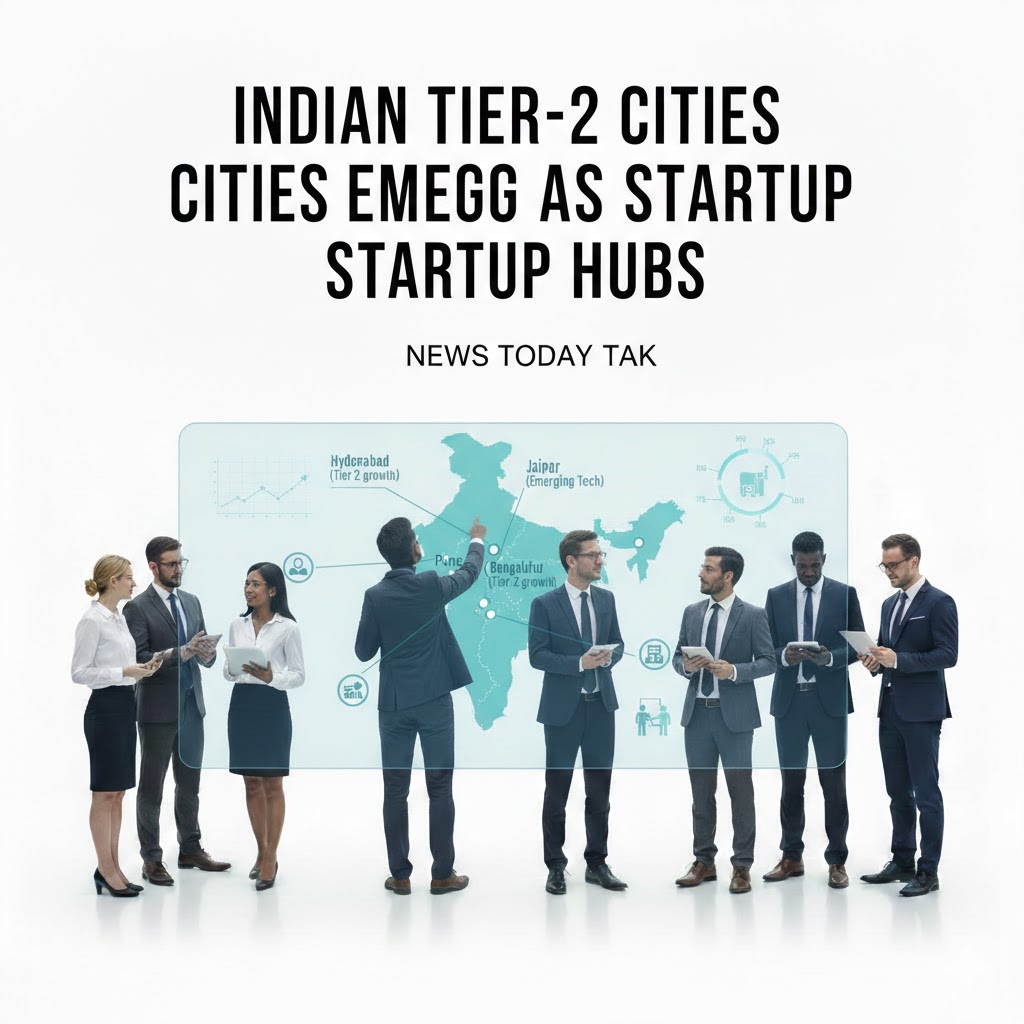
India में startup ecosystem की कहानी अब सिर्फ Bengaluru, Delhi NCR या Mumbai तक सीमित नहीं रही। पिछले कुछ सालों में Tier-2 cities तेजी से नए startup hubs के रूप में उभर रही हैं। ये बदलाव अचानक नहीं आया, बल्कि इसके पीछे कई economic, digital और policy-driven reasons हैं, जिन्होंने छोटे शहरों को entrepreneurship के लिए fertile ground बना दिया है।
Startup Revolution का Shift
एक समय था जब startup शुरू करने के लिए metro cities ही default choice मानी जाती थीं। Access to investors, talent pool, infrastructure और exposure – सब कुछ metros में concentrated था। लेकिन जैसे-जैसे competition बढ़ा, costs आसमान छूने लगे और work-life balance challenge बन गया, वैसे-वैसे founders ने alternatives तलाशने शुरू किए।
Tier-2 cities जैसे Indore, Jaipur, Kochi, Coimbatore, Surat, Lucknow, Bhubaneswar और Chandigarh अब viable startup destinations बनते जा रहे हैं। यहां operating cost कम है, local support strong है और growth potential ज्यादा दिखाई देता है।
Lower Cost, Higher Sustainability
Startup founders के लिए सबसे बड़ा advantage Tier-2 cities का low cost structure है। Office rent, salaries, utilities और living expenses metro cities की तुलना में काफी कम होते हैं। इससे startups को शुरुआती phase में burn rate control करने में मदद मिलती है।
जब fixed costs कम होती हैं, तो founders product development, marketing और customer acquisition पर ज्यादा focus कर सकते हैं। यही वजह है कि कई early-stage startups अब intentionally Tier-2 cities से launch हो रहे हैं।
Digital Infrastructure ने बदली तस्वीर
India में digital infrastructure की growth ने geography की importance को काफी हद तक reduce कर दिया है। High-speed internet, affordable smartphones, cloud tools और remote work culture ने startups को location-agnostic बना दिया है।
आज founder Jaipur में बैठकर US clients को services दे सकता है, या Indore से SaaS product global market में sell कर सकता है। Video conferencing, collaboration tools और digital payments ने business operations को smooth बना दिया है। Tier-2 cities अब isolation में नहीं हैं, बल्कि global ecosystem से connected हैं।
Government Policies और Startup Support
Government initiatives ने भी Tier-2 startup growth में बड़ा role निभाया है। Startup India program, state-level startup policies, incubation centers और funding support ने छोटे शहरों में entrepreneurship को encourage किया है।
कई state governments ने local universities और technical institutes के साथ incubation hubs establish किए हैं। Subsidized office spaces, tax benefits, mentorship programs और seed funding opportunities ने aspiring entrepreneurs को confidence दिया है कि वे अपने hometown से भी scalable business बना सकते हैं।
Local Problems, Local Solutions
Tier-2 cities से निकलने वाले startups अक्सर local problems पर focus करते हैं, जो metros में बैठे founders की नजर से छूट जाते हैं। Agriculture, logistics, education, healthcare, MSME services और regional commerce जैसे sectors में innovative solutions सामने आ रहे हैं।
Local context की understanding startups को realistic और practical products बनाने में मदद करती है। यही reason है कि कई Tier-2 based startups अपने niche में fast adoption और strong customer loyalty हासिल कर रहे हैं।
Talent Pool का Untapped Potential
भारत में talent सिर्फ metro cities तक सीमित नहीं है। Engineering colleges, management institutes और skill-based training centers Tier-2 cities में भी बड़ी संख्या में मौजूद हैं। पहले यह talent opportunities की कमी के कारण metros migrate करता था।
अब startups के local growth से skilled professionals को hometown में ही meaningful work मिलने लगा है। इससे brain drain कम हो रहा है और local economies मजबूत हो रही हैं। Startups को भी loyal और stable workforce मिलता है, जो long-term vision के साथ जुड़ा रहता है।
Remote Work Culture का Impact
Pandemic के बाद remote और hybrid work culture mainstream बन चुका है। इससे startups और employees दोनों को flexibility मिली है। Founders अब यह realize कर चुके हैं कि productivity location से ज्यादा mindset और systems पर depend करती है।
Tier-2 cities से operate करने वाले startups remote teams के साथ seamlessly काम कर पा रहे हैं। इससे उन्हें global talent hire करने और diverse perspectives लाने का मौका मिलता है, बिना metro-level costs bear किए।
Funding Landscape में बदलाव
पहले investors Tier-2 startups को लेकर cautious रहते थे। उन्हें execution risk और scalability को लेकर doubts होते थे। लेकिन अब success stories ने perception बदल दिया है।
Angel investors और early-stage VCs अब actively Tier-2 ecosystems explore कर रहे हैं। Digital due diligence, online pitch sessions और demo days ने funding access को democratize कर दिया है। Investors को भी समझ आ गया है कि strong idea और execution location से independent हो सकता है।
Quality of Life as a Growth Factor
Founders के लिए mental health और work-life balance increasingly important हो गए हैं। Tier-2 cities cleaner environment, shorter commute, family support और better lifestyle offer करती हैं।
जब founders stress-free environment में काम करते हैं, तो decision-making बेहतर होती है और burnout risk कम होता है। यही sustainable entrepreneurship की foundation बनती है।
Sector-Wise Growth Trends
Tier-2 cities खासतौर पर कुछ sectors में strong growth दिखा रही हैं। EdTech startups regional language learning और skill training पर focus कर रहे हैं। HealthTech startups affordable diagnostics और telemedicine solutions बना रहे हैं। AgriTech startups farmers को technology से connect कर रहे हैं।
इसके अलावा D2C brands, logistics tech, FinTech services for small businesses और local commerce platforms भी तेजी से scale कर रहे हैं।
Challenges Still Exist
हालांकि growth impressive है, लेकिन challenges अभी भी मौजूद हैं। Limited access to advanced mentorship, fewer large-scale investors और ecosystem maturity की कमी कुछ cities में bottleneck बनती है।
Brand visibility और networking opportunities भी metros के मुकाबले कम होती हैं। लेकिन जैसे-जैसे success stories सामने आएंगी, ecosystem naturally mature होगा।
Future Outlook
Experts मानते हैं कि आने वाले 5–10 वर्षों में India का startup growth Tier-2 और Tier-3 cities से drive होगा। Metro saturation, rising costs और talent decentralization इस trend को accelerate करेंगे।
Government support, digital adoption और cultural mindset change के साथ Tier-2 cities innovation centers में transform हो सकती हैं। यह shift सिर्फ startups के लिए नहीं, बल्कि India की overall economic growth के लिए भी game-changer साबित होगा।
Conclusion
India’s Tier-2 cities अब सिर्फ support system नहीं, बल्कि primary engines of startup innovation बनते जा रहे हैं। Low cost, strong talent, digital connectivity और government backing ने इन्हें ideal launchpads बना दिया है।
यह transformation दिखाता है कि entrepreneurship अब limited geography का privilege नहीं रहा। Ideas, execution और impact ही success define करते हैं। आने वाला समय उन founders का है जो opportunity को location से नहीं, vision से measure करते हैं।
Published By NewsTodayTak