



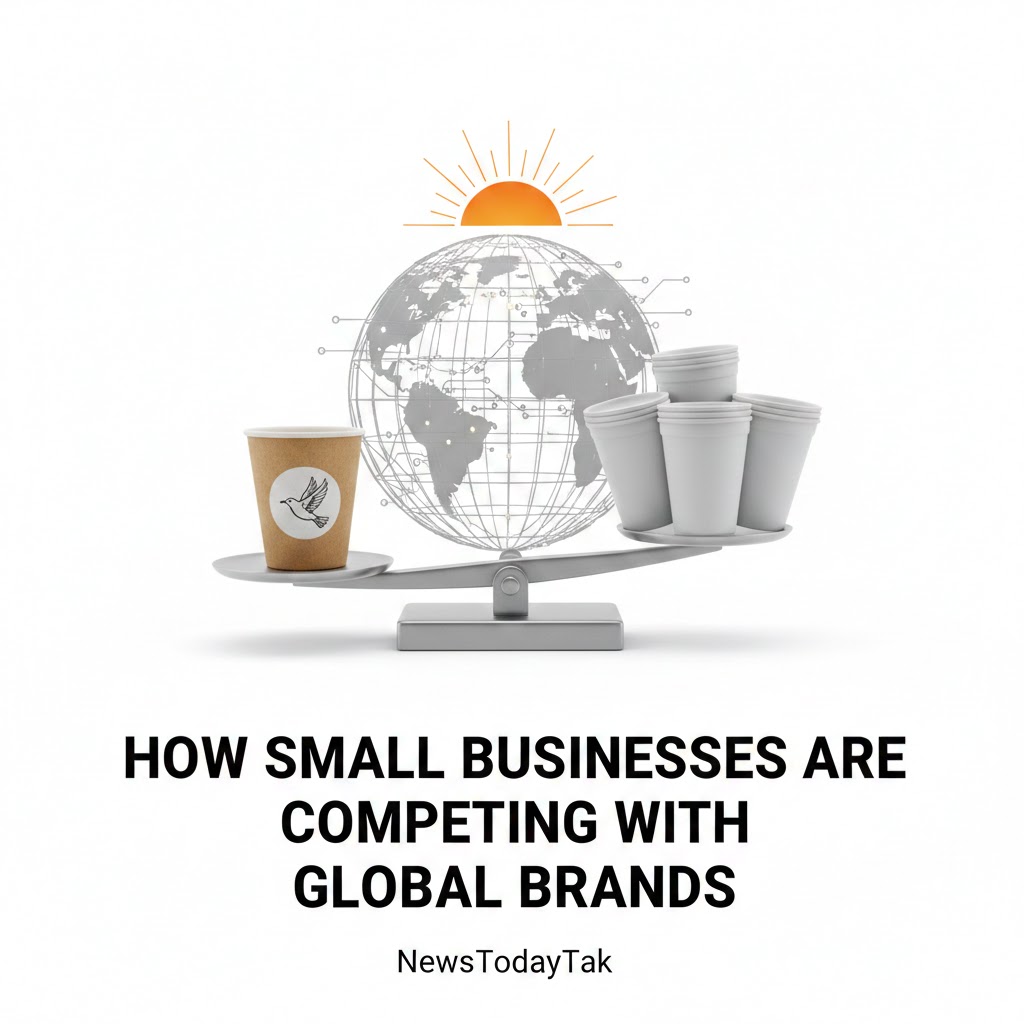
Small businesses around the world are no longer limited by geography, budget, or brand recognition. With the rise of digital tools, changing consumer behavior, and smarter strategies, local and independent businesses are finding powerful ways to compete with well-established global brands. What once seemed impossible is now happening every day as small companies gain visibility, build loyal audiences, and grow sustainably. Platforms like NewsTodayTak frequently highlight how this shift is redefining modern business competition.
Changing Consumer Preferences Are Leveling the Field
One of the biggest reasons small businesses are competing successfully is a major change in consumer mindset. Today’s customers value authenticity, transparency, and personal connection more than just a big brand name. Global brands often focus on mass appeal, while small businesses can tailor their offerings to specific customer needs.
People increasingly prefer buying from businesses that align with their values, support local communities, or offer personalized service. This emotional connection gives small businesses an edge that global brands often struggle to replicate.
Digital Marketing Gives Small Businesses Global Reach
Digital marketing has removed many traditional barriers to entry. Small businesses can now reach global audiences using social media, search engines, and content marketing without massive advertising budgets. Platforms like Instagram, YouTube, and LinkedIn allow brands to build audiences organically through storytelling and engagement.
Search engine optimization, email marketing, and online reviews help small businesses appear alongside global brands in search results. With the right strategy, a small business website can attract the same attention as a multinational company.
Personalization as a Competitive Advantage
Global brands operate at scale, which often limits their ability to personalize experiences. Small businesses, on the other hand, can offer customized products, flexible services, and direct communication with customers.
From personalized emails to custom product options, this tailored approach builds trust and long-term loyalty. Customers who feel seen and valued are more likely to return and recommend the business to others.
Agility and Faster Decision-Making
Small businesses can adapt quickly to market changes. While global brands may take months to adjust strategies due to layers of approval, small business owners can make decisions instantly.
This agility allows them to respond to trends, customer feedback, and economic changes faster. Whether it’s launching a new product, adjusting pricing, or changing marketing strategies, speed gives small businesses a strong competitive edge.
Leveraging Niche Markets Effectively
Instead of trying to appeal to everyone, small businesses often focus on niche markets. By serving a specific audience exceptionally well, they build authority and loyalty within that niche.
Global brands usually aim for broad markets, which can leave gaps that small businesses fill. Specialized products, local expertise, and focused messaging help smaller companies dominate their chosen segments.
Building Strong Community Relationships
Community engagement plays a major role in small business success. Local partnerships, events, and collaborations help businesses build trust and visibility. Customers are more likely to support businesses that contribute positively to their community.
Online communities also matter. Many small businesses create active social media groups or email communities where customers feel like part of the brand’s journey. This sense of belonging strengthens brand loyalty.
Technology Adoption Without Heavy Costs
Cloud-based tools, automation software, and AI-powered platforms are affordable and accessible to small businesses. These technologies help streamline operations, manage customers, and improve marketing efficiency.
Customer relationship management systems, accounting tools, and analytics platforms allow small businesses to operate with the sophistication of large corporations, but at a fraction of the cost.
Storytelling Over Traditional Advertising
Small businesses often win through storytelling rather than expensive advertising. Sharing the founder’s journey, behind-the-scenes processes, and real customer stories helps humanize the brand.
This content performs especially well on social media and blogs, where audiences value genuine experiences over polished corporate messaging. Stories create emotional connections that drive engagement and conversions.
Trust and Transparency Matter More Than Ever
Modern consumers are more informed and cautious. They research brands, read reviews, and expect transparency. Small businesses often excel here by being open about pricing, processes, and values.
Direct communication, honest messaging, and quick customer support help build trust faster than traditional brand advertising. This trust translates into repeat customers and positive word-of-mouth marketing.
Competing on Experience, Not Just Price
While global brands may compete on price through scale, small businesses compete on experience. From customer service to packaging and post-purchase support, every touchpoint matters.
A memorable experience encourages customers to choose a small business even when cheaper alternatives exist. This focus on quality over quantity helps small brands stand out in crowded markets.
The Role of Content and Thought Leadership
Content marketing allows small businesses to position themselves as experts. Blogs, videos, podcasts, and newsletters help educate audiences and build authority.
By sharing valuable insights and practical advice, small businesses earn trust and visibility. As highlighted by NewsTodayTak, many emerging brands are using educational content to compete directly with industry giants.
Conclusion
Small businesses are no longer overshadowed by global brands. Through personalization, agility, digital marketing, and authentic relationships, they are creating strong positions in competitive markets. Technology and changing consumer preferences have shifted the balance, allowing small businesses to grow without massive budgets.
The future of competition is not about size alone, but about connection, adaptability, and value. As small businesses continue to innovate and focus on meaningful customer experiences, they will remain strong contenders against even the biggest global brands.