

India में electric mobility की journey भी digital payments की तरह overnight change नहीं है। जैसे Demonetization के बाद लोगों को cash alternatives अपनाने पड़े और धीरे-धीरे UPI, wallets और online banking daily life का हिस्सा बन गए, वैसे ही electric vehicles का adoption भी step-by-step आगे बढ़ा है। Rising fuel prices, environmental concerns और government incentives ने लोगों को EVs की ओर attract किया, लेकिन adoption का सबसे बड़ा सवाल हमेशा एक ही रहा—charging infrastructure.
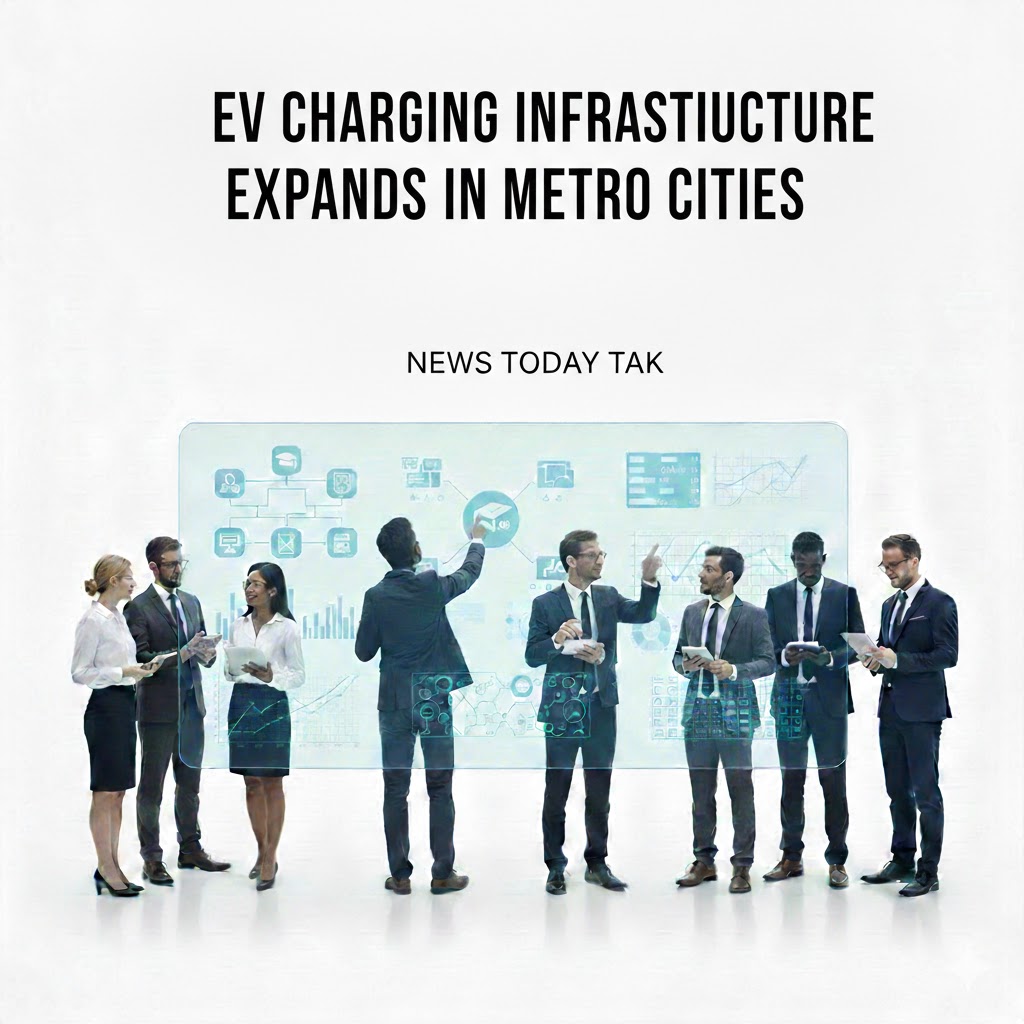
आज वही सवाल metro cities में धीरे-धीरे clear होता दिख रहा है। India की major metro cities जैसे Delhi, Mumbai, Bengaluru, Chennai, Hyderabad और Pune में EV charging infrastructure तेजी से expand हो रहा है, जो electric mobility को mainstream बनाने की दिशा में एक बड़ा कदम है।
Metro Cities क्यों बन रहे हैं EV Infrastructure का केंद्र
Metro cities India की economic और mobility hubs हैं। यहाँ daily commuting distance ज्यादा है, vehicle density high है और pollution levels भी concerning हैं। ऐसे में EV adoption का सबसे ज्यादा impact भी यहीं दिखता है। Governments और private players दोनों समझते हैं कि अगर metros में EV charging ecosystem strong हो जाता है, तो adoption automatically scale करेगा।
Metro cities में already better power infrastructure, smart city projects और higher disposable income मौजूद है। यही वजह है कि EV charging stations का पहला बड़ा expansion इन्हीं cities में देखने को मिल रहा है।
Government Policies और Urban EV Push
Central और State Governments ने EV adoption को accelerate करने के लिए multiple initiatives launch किए हैं। FAME scheme, state EV policies और urban mobility plans के तहत charging stations को highways, malls, office complexes और residential societies में promote किया जा रहा है।
Metro city administrations अब EV charging को सिर्फ transport issue नहीं बल्कि urban planning का हिस्सा मानने लगी हैं। New building bylaws में EV-ready parking provisions, public charging points और fast chargers को mandatory किया जा रहा है।
Public और Private Players की Role
EV charging infrastructure सिर्फ government के भरोसे नहीं बढ़ रहा। Private companies, energy startups और automobile brands actively charging networks build कर रहे हैं। Metro cities में fast-charging hubs, battery swapping stations और destination chargers तेजी से install हो रहे हैं।
Shopping malls, IT parks, airports और hotels EV charging को customer convenience और future-readiness के रूप में देख रहे हैं। इससे EV owners को charging anxiety कम होती है और adoption confidence बढ़ता है।
Residential Societies में Charging Revolution
Metro cities में एक बड़ा shift residential EV charging को लेकर भी देखने को मिल रहा है। पहले EV owners को charging के लिए public stations पर depend रहना पड़ता था, लेकिन अब housing societies में slow और semi-fast chargers install हो रहे हैं।
State electricity boards simplified connections और dedicated EV meters provide कर रहे हैं। इससे overnight charging easy हो गई है और daily commute के लिए EV practical option बनता जा रहा है।
Office Commute और Fleet Electrification
Corporate offices और business parks भी EV charging infrastructure expansion में important role निभा रहे हैं। Companies employee benefits के रूप में charging facilities provide कर रही हैं, खासकर IT hubs और business districts में।
Cab aggregators, delivery companies और corporate fleets तेजी से electric vehicles adopt कर रहे हैं। इनके लिए depot-based charging stations metro outskirts और commercial zones में setup किए जा रहे हैं, जिससे operational efficiency बढ़ती है।
Challenges जो अभी भी मौजूद हैं
हालांकि progress fast है, लेकिन challenges अभी भी पूरी तरह खत्म नहीं हुए हैं। Metro cities में land availability, grid load management और standardization एक बड़ा issue है। Fast chargers high power demand करते हैं, जिससे local electricity infrastructure upgrade की जरूरत पड़ती है।
इसके अलावा, different charging standards और payment systems users के लिए confusion create करते हैं। Industry धीरे-धीरे interoperability और unified payment solutions की ओर बढ़ रही है, लेकिन nationwide consistency आने में अभी समय लगेगा।
EV Charging और Renewable Energy Integration
Metro cities में EV charging expansion के साथ renewable energy integration भी एक emerging trend है। Solar-powered charging stations, rooftop solar installations और green energy sourcing EV ecosystem को sustainable बना रहे हैं।
Long term में, EV charging infrastructure को clean energy के साथ integrate करना cities के carbon footprint को significantly reduce कर सकता है। Experts मानते हैं कि future urban mobility EVs और renewables के combination पर depend करेगी।
Economic Impact और New Opportunities
EV charging infrastructure सिर्फ environment friendly initiative नहीं है, बल्कि economic opportunity भी create करता है। Metro cities में installation, maintenance, software management और energy services से जुड़ी नई jobs generate हो रही हैं।
Startups charging-as-a-service, smart charging management और data-driven optimization solutions offer कर रहे हैं। इससे India का EV ecosystem सिर्फ vehicle manufacturing तक सीमित न रहकर complete value chain में expand हो रहा है।
Consumers का Changing Mindset
Metro city consumers अब EVs को experimental technology नहीं बल्कि practical alternative के रूप में देखने लगे हैं। Improved charging availability, better range और lower running costs EV adoption को push कर रहे हैं।
Two-wheelers और three-wheelers के बाद अब electric cars का share भी metros में steadily बढ़ रहा है। Charging infrastructure expansion इस mindset shift का biggest enabler बन चुका है।
Why This Trend Matters For India
EV charging infrastructure expansion सिर्फ metro cities तक सीमित trend नहीं रहेगा। Metros में successful implementation का model tier-2 और tier-3 cities के लिए roadmap बनेगा। जैसे digital payments पहले metros में popular हुए और फिर पूरे देश में फैल गए, वैसे ही EV ecosystem भी scale करेगा।
India के लिए यह transition energy security, pollution reduction और global climate commitments के लिहाज से बेहद important है।
NewsTodayTak पर इस खबर की अहमियत
EV charging infrastructure expansion एक ऐसी story है जो technology, policy, economy और daily life को जोड़ती है। NewsTodayTak पर ऐसी खबरों को context और impact के साथ cover किया जाता है, ताकि readers सिर्फ development नहीं बल्कि उसके implications भी समझ सकें।
Urban mobility से जुड़े decisions आम लोगों की daily life को directly affect करते हैं, इसलिए NewsTodayTak पर इस तरह की current और future-focused news को priority दी जाती है।
Conclusion
Metro cities में EV charging infrastructure का expansion India के electric mobility vision की backbone बनता जा रहा है। Government support, private investment और consumer acceptance—तीनों मिलकर इस ecosystem को मजबूत कर रहे हैं। Challenges जरूर हैं, लेकिन direction clear है।
आने वाले वर्षों में जैसे-जैसे charging network dense और reliable होगा, EV adoption metro cities से निकलकर पूरे देश में spread करेगा। ऐसी impactful और ground-reality based updates के लिए NewsTodayTak को follow करते रहना relevant रहेगा, क्योंकि future की mobility आज shape ले रही है।