
India में education system लंबे समय तक rote learning और exam-centric approach पर टिका रहा। Students marks तो हासिल कर लेते थे, लेकिन real-world skills की कमी अक्सर महसूस की जाती थी। बदलती economy, technology-driven jobs और global competition ने इस gap को और ज्यादा visible बना दिया। इसी background में New Education Policy (NEP) एक major reform के रूप में सामने आई, जिसने skill-based learning को education system के center में लाकर खड़ा कर दिया।
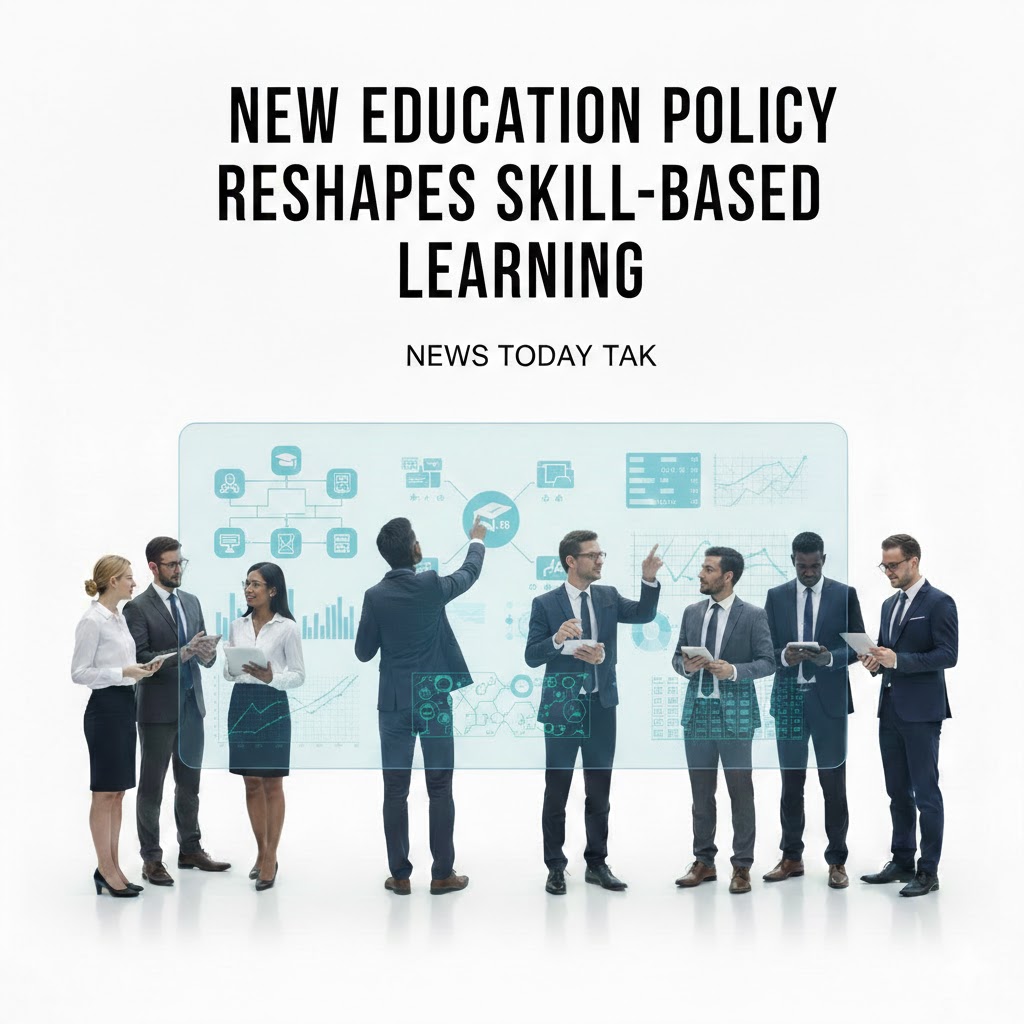
New Education Policy का core idea यही है कि education सिर्फ degrees तक सीमित न रहे, बल्कि students को practical, employable और life-oriented skills भी सिखाए। यह policy Indian education landscape को fundamentally reshape कर रही है।
Rote Learning से Skills की ओर Shift
Traditional education model में focus syllabus completion और memorization पर था। Students theoretical knowledge तो acquire करते थे, लेकिन problem-solving, communication, teamwork और creativity जैसे skills secondary माने जाते थे। New Education Policy इस mindset को बदलने की कोशिश कर रही है।
अब curriculum design में experiential learning, project-based assessments और hands-on activities को importance दी जा रही है। Students को concepts “याद” करने के बजाय “समझने” और apply करने के लिए encourage किया जा रहा है। यह shift skill-based learning की foundation तैयार करता है।
Early Stage से Skill Development
NEP का एक बड़ा बदलाव यह है कि skill development को higher education तक सीमित नहीं रखा गया। School level से ही students को vocational exposure और practical learning से introduce किया जा रहा है। Coding, basic financial literacy, design thinking और creative arts जैसे elements early classes में integrate किए जा रहे हैं।
इसका long-term benefit यह है कि students अपनी रुचि और strengths को जल्दी पहचान पाते हैं। Career decisions सिर्फ societal pressure पर नहीं, बल्कि skills और interest के basis पर लिए जा सकते हैं।
Vocational Education को Mainstream बनाना
पहले vocational education को academic stream से अलग और कम prestigious माना जाता था। New Education Policy इस perception को break करती है। Policy का aim है कि vocational education को mainstream curriculum का हिस्सा बनाया जाए।
Internships, apprenticeships और industry-linked training programs को school और college education से जोड़ा जा रहा है। इससे students को real workplace exposure मिलेगा और theoretical knowledge practical experience से जुड़ पाएगी।
Higher Education में Flexibility और Skills
Higher education में NEP multi-exit और multi-entry system introduce करती है। इसका मतलब यह है कि students अपनी learning journey को flexible बना सकते हैं। अगर कोई student बीच में course छोड़ता है, तो भी उसके acquired skills और credits waste नहीं होंगे।
Skill-based courses, certificate programs और interdisciplinary learning को बढ़ावा दिया जा रहा है। Engineering student humanities सीख सकता है, और arts background वाला student data analytics या entrepreneurship explore कर सकता है। यह flexibility future-ready workforce बनाने में मदद करती है।
Teachers की Role में बदलाव
Skill-based learning सिर्फ curriculum change से possible नहीं है। Teachers की role भी transform हो रही है। NEP teachers को facilitators और mentors के रूप में देखती है, न कि सिर्फ content deliverers के रूप में।
Continuous teacher training, digital tools का use और modern pedagogy को अपनाने पर जोर दिया जा रहा है। Teachers को industry trends, new technologies और skill requirements से update रहना होगा, ताकि वे students को relevant guidance दे सकें।
Technology और Digital Skills का Integration
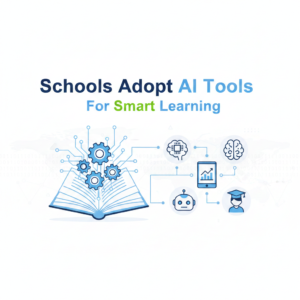
Digital skills आज almost हर sector की basic requirement बन चुकी हैं। New Education Policy technology integration को priority देती है। Online learning platforms, virtual labs और digital content students को flexible learning opportunities provide करते हैं।
Coding, data literacy, AI basics और digital communication जैसे skills अब optional नहीं रह गए हैं। NEP इन्हें gradually mainstream education का हिस्सा बना रही है, जिससे students future job market के लिए better prepared हों।
Employability Gap को Bridge करने की कोशिश
India में एक बड़ा challenge रहा है employability gap। Graduates की संख्या बढ़ती गई, लेकिन industry-ready talent की कमी बनी रही। Skill-based learning इस gap को bridge करने की key strategy है।
Industry-academia collaboration को promote किया जा रहा है। Companies curriculum design में inputs दे रही हैं, internships offer कर रही हैं और real-world problems students के सामने रखे जा रहे हैं। इससे education और employment के बीच disconnect धीरे-धीरे कम हो सकता है।
Rural और Semi-Urban Students के लिए Opportunities
Skill-based learning का एक positive impact rural और semi-urban students पर भी पड़ रहा है। Traditional education model में limited exposure और resources के कारण कई talented students पीछे रह जाते थे।
NEP digital platforms, local skill centers और vocational programs के जरिए access बढ़ाने की कोशिश कर रही है। Agriculture technology, local crafts, small-scale entrepreneurship और service-based skills को formal education से जोड़कर regional strengths को leverage किया जा रहा है।
Challenges और Ground Reality
हालाँकि vision strong है, लेकिन implementation आसान नहीं है। Infrastructure gaps, teacher training issues और digital divide जैसी challenges अभी भी मौजूद हैं। Skill-based learning को effective बनाने के लिए consistent policy execution और monitoring जरूरी है।
Private और public sector दोनों की participation जरूरी है। Without adequate funding, industry support और mindset change, NEP के goals achieve करना मुश्किल हो सकता है।
Why This Transformation Matters
Skill-based learning सिर्फ employment के लिए important नहीं है, बल्कि holistic development के लिए भी जरूरी है। Critical thinking, adaptability और lifelong learning skills future uncertainty से deal करने में मदद करती हैं।
Global economy तेजी से change हो रही है। ऐसे में degree alone guarantee नहीं देती। Skills, attitude और continuous learning ही long-term success का आधार बनते हैं। New Education Policy इसी reality को address करती है।
NewsTodayTak पर Education Reforms की Coverage
Education reforms जैसे NEP का impact long-term होता है, इसलिए इनके nuances को समझना जरूरी है। NewsTodayTak ऐसे policy-driven changes को simple language में explain करता है, ताकि students, parents और educators informed decisions ले सकें।
NewsTodayTak का focus सिर्फ announcements तक सीमित नहीं है, बल्कि ground-level impact, challenges और future implications को भी highlight करना है।
Conclusion
New Education Policy ने Indian education system को skill-based learning की दिशा में decisively मोड़ दिया है। Rote learning से practical skills, rigid streams से flexibility और degree-centric thinking से holistic development की ओर यह एक बड़ा shift है।
अगर implementation challenges को effectively address किया जाए, तो NEP India को globally competitive, skilled और adaptable workforce देने में अहम भूमिका निभा सकती है। आने वाले वर्षों में इसका असली impact jobs, entrepreneurship और innovation में साफ दिखाई देगा।