


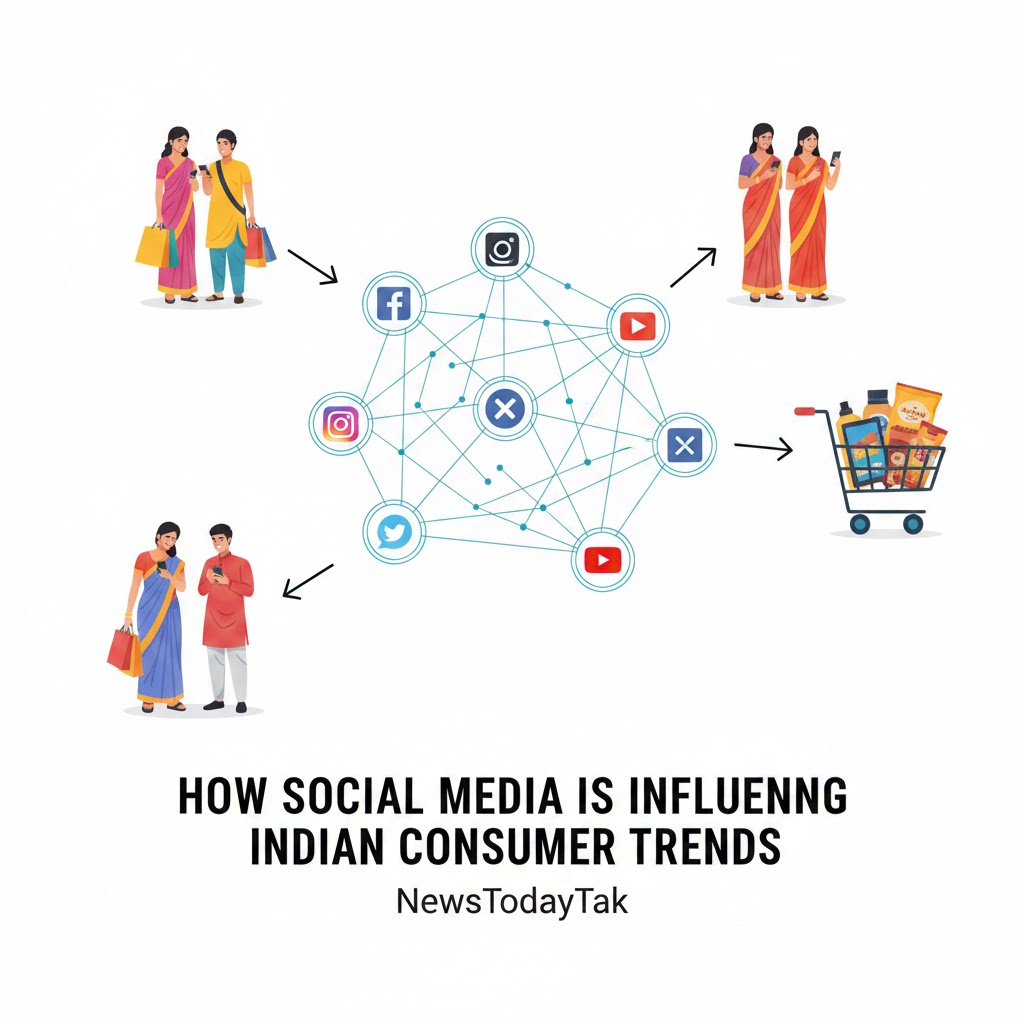
Social media has become one of the strongest forces shaping consumer behavior in India. From how people discover brands to how they decide what to buy, platforms like Instagram, YouTube, and Facebook now play a major role in everyday purchasing decisions. Indian consumers are no longer passive buyers; they are informed, vocal, and highly influenced by what they see online. This shift has changed how businesses market products and how consumers interact with brands, a trend frequently highlighted by NewsTodayTak while covering digital lifestyle changes in India.
The Rise of Social Media as a Shopping Guide
Earlier, Indian consumers relied on television ads, newspapers, or word of mouth for product information. Today, social media acts as a real-time shopping guide. Users scroll through reels, shorts, and posts where products are showcased in daily life situations. Seeing real people use a product builds trust faster than traditional advertising.
Platforms such as Instagram and YouTube have become discovery engines. A single viral video can turn a local brand into a nationwide name overnight. This trend is especially strong among Gen Z and millennials, who prefer quick visual content over long descriptions.
Influencer Marketing Changing Buying Decisions
Influencer marketing has deeply influenced Indian consumer trends. People now trust creators more than celebrities because influencers appear relatable and authentic. A beauty blogger reviewing skincare, a tech creator unboxing gadgets, or a food vlogger tasting street food can directly impact sales.
Micro-influencers, in particular, are gaining importance. They may have smaller audiences, but their followers are more engaged. Indian consumers feel these creators understand local needs, languages, and budgets. As a result, brands are shifting marketing budgets from traditional ads to influencer collaborations.
Regional Content Driving Local Consumer Choices
India’s diversity plays a big role in how social media shapes consumer trends. Content in regional languages such as Hindi, Tamil, Telugu, Marathi, and Bengali is booming. Consumers feel more connected to brands that communicate in their local language.
Platforms like Facebook and WhatsApp help businesses target regional audiences through groups, local pages, and community-based promotions. This has increased demand for regional fashion brands, local food products, and small businesses that previously had limited reach.
Short Video Content Influencing Impulse Buying
Short-form video content has transformed consumer attention spans. Reels and shorts show products in action within seconds, making it easier for users to decide quickly. This has increased impulse buying across categories such as fashion, beauty, gadgets, and home décor.
Indian consumers often buy products after seeing them repeatedly on social feeds. The fear of missing out plays a strong role, especially during trending challenges or viral product showcases. Brands that adapt quickly to trends benefit the most from this behavior shift.
Social Proof and Online Reviews Matter More Than Ever
Before making a purchase, Indian consumers now check comments, reviews, and ratings on social media. Social proof has become a deciding factor. A product with positive comments feels trustworthy, while negative feedback spreads rapidly and affects brand image.
Consumers also rely on comparison videos and honest reviews. This transparency forces brands to improve product quality and customer service. NewsTodayTak often reports on how viral complaints or praise on social media can directly impact brand reputation in India.
Growth of Social Commerce in India
Social media is no longer just about influence; it has become a direct selling channel. Features like in-app shopping, product tags, and direct messaging allow users to buy without leaving the platform. Small businesses and homegrown brands benefit greatly from this shift.
Instagram shops, Facebook marketplace listings, and WhatsApp catalogs enable sellers to reach customers without large investments. This has encouraged entrepreneurship and increased trust in online-first brands among Indian consumers.
Changing Brand Loyalty Among Indian Consumers
Social media has reduced long-term brand loyalty. Consumers are constantly exposed to new brands, offers, and trends. If a competitor offers better value or goes viral, users are willing to switch quickly.
Brands now need to engage consistently through content, stories, and interactions. Indian consumers expect brands to respond to comments, address complaints publicly, and stay active online. Engagement has become as important as product quality.
The Impact of Social Media on Youth Spending Habits
Young Indians are the most influenced by social media trends. Fashion styles, gadgets, fitness routines, and even financial habits are shaped by what they see online. Aspiration-driven content encourages spending on lifestyle products that reflect personal identity.
At the same time, educational creators are influencing smarter consumer behavior. Content around budgeting, investing, and conscious spending is gaining popularity, helping young consumers make informed choices.
Challenges and Awareness Among Consumers
While social media influences purchasing positively, Indian consumers are also becoming more aware of misleading promotions. Sponsored content disclosures, fake reviews, and exaggerated claims are now questioned more openly.
Consumers follow trusted creators and verify information across multiple sources before buying. This growing awareness is pushing brands toward honest communication and transparent marketing strategies.
The Future of Social Media Influence in India
Social media will continue to shape Indian consumer trends as technology evolves. AI-driven recommendations, personalized ads, and interactive shopping experiences will make influence even stronger. Regional creators and local brands are expected to grow faster than large generic campaigns.
Indian consumers will remain digitally active, informed, and expressive. Businesses that understand social behavior, respect cultural diversity, and focus on genuine engagement will succeed in this evolving landscape.
Conclusion
Social media has transformed how Indian consumers think, choose, and shop. It influences everything from brand discovery to final purchase decisions. Trust, relatability, and engagement now matter more than traditional advertising. As highlighted by NewsTodayTak, social platforms are no longer optional for businesses targeting Indian audiences. They are central to understanding and adapting to modern consumer trends in India.