

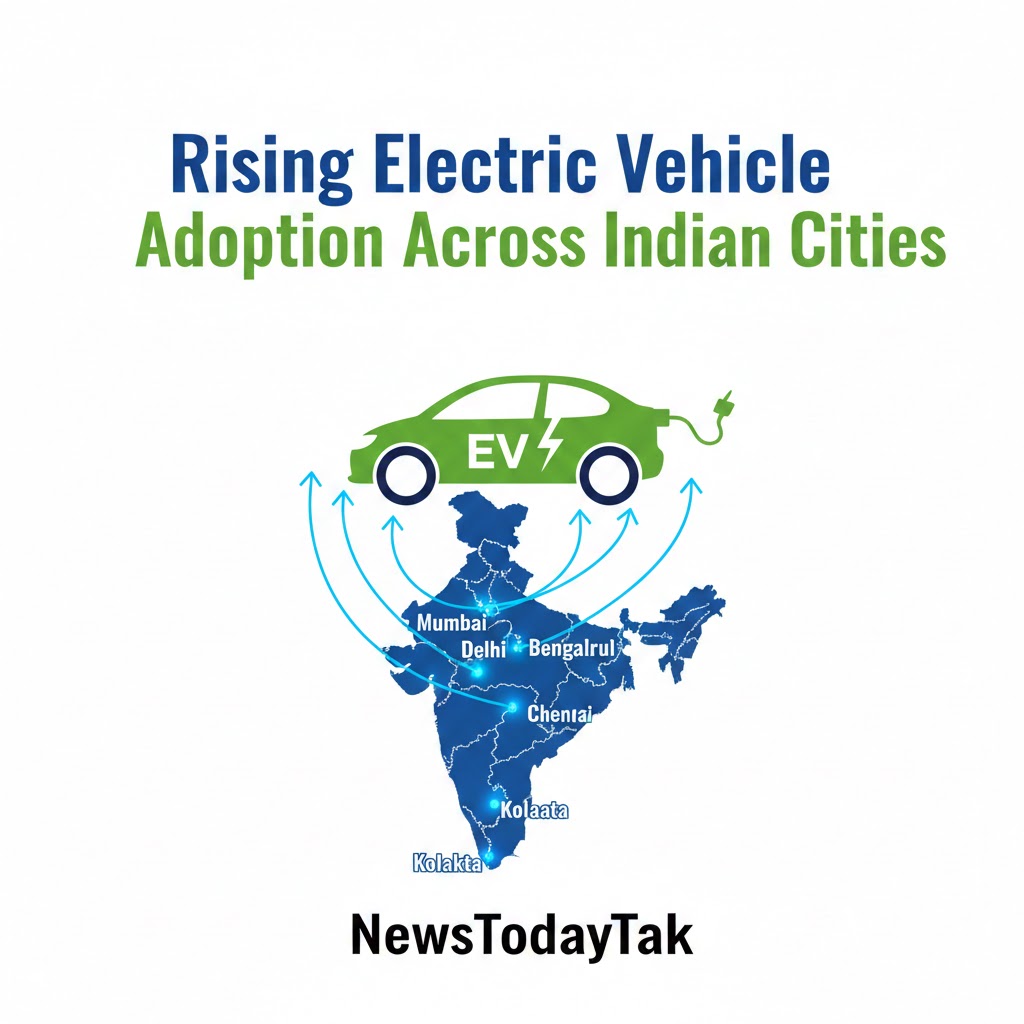
Electric vehicles (EVs) are no longer a futuristic concept in India—they are rapidly becoming a visible and practical part of daily urban life. From metro cities to emerging urban hubs, electric scooters, cars, buses, and even delivery fleets are transforming how Indians move. This shift is being driven by a mix of government support, rising fuel costs, environmental awareness, and fast-improving EV technology. Platforms like NewsTodayTak regularly highlight how this mobility revolution is unfolding across Indian cities, making EV adoption one of the most important urban trends of recent years.
Why Indian Cities Are Embracing Electric Vehicles
Indian cities face growing challenges such as air pollution, traffic congestion, and dependence on imported fuel. Electric vehicles offer a cleaner and more cost-effective alternative to conventional petrol and diesel vehicles. With zero tailpipe emissions, EVs help reduce urban air pollution, especially in cities where air quality often drops to unhealthy levels.
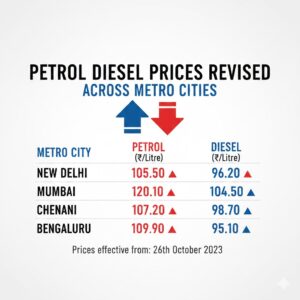
Another major factor is rising fuel prices. The cost of petrol and diesel has steadily increased, pushing consumers to explore alternatives with lower running costs. Electric vehicles, which can be charged at a fraction of the cost of refueling, are increasingly seen as a smart long-term investment for city commuters.
Government Policies Accelerating EV Adoption
Policy support has played a crucial role in the rapid adoption of electric vehicles across Indian cities. Central government initiatives such as the Faster Adoption and Manufacturing of Electric Vehicles (FAME) scheme have provided subsidies for both manufacturers and buyers. These incentives significantly reduce the upfront cost of electric two-wheelers, three-wheelers, and cars.
At the state level, many governments have introduced their own EV policies. Cities like Delhi, Bengaluru, Mumbai, and Pune offer additional incentives such as road tax exemptions, registration fee waivers, and scrappage benefits. These measures have made electric vehicles more accessible to urban consumers and fleet operators.
Electric Two-Wheelers Leading the Urban Shift
In Indian cities, electric two-wheelers are at the forefront of EV adoption. Scooters and motorcycles are the preferred mode of transport for millions of daily commuters, making this segment critical for electrification. Electric scooters are especially popular among students, office workers, and delivery riders due to their low maintenance costs and ease of charging.
Urban delivery services and food platforms have also played a big role. Many companies are switching to electric two-wheelers to reduce operational costs and meet sustainability goals. As charging infrastructure expands, range anxiety—a major early concern—is becoming less of a barrier.
Electric Cars Gaining Momentum in Metro Cities
While two-wheelers dominate in volume, electric cars are steadily gaining popularity in metro cities. Improved battery range, better charging networks, and a growing number of models have made electric cars more appealing to urban families and professionals.
City residents with access to private parking find it easier to install home chargers, making daily charging convenient. Corporate fleets and ride-hailing services are also adopting electric cars to reduce fuel expenses and emissions. This growing visibility of EVs on city roads is helping normalize electric mobility for the wider public.
Public Transport Going Electric
One of the most impactful developments in Indian cities is the electrification of public transport. Electric buses are being introduced in cities like Delhi, Ahmedabad, and Chennai to replace aging diesel fleets. These buses reduce noise pollution, cut emissions, and offer smoother rides for passengers.
Municipal corporations are increasingly seeing electric buses as a cost-effective solution in the long run, thanks to lower fuel and maintenance expenses. As public charging depots expand, electric buses are expected to become a common sight across more Indian cities in the coming years.
Charging Infrastructure: The Backbone of EV Growth
Charging infrastructure is essential for sustained EV adoption, and Indian cities are making steady progress in this area. Public charging stations are being installed at malls, office complexes, highways, metro stations, and fuel pumps. Fast-charging technology is also improving, allowing drivers to recharge their vehicles in significantly less time.
Private players and startups are entering the charging space, offering app-based solutions to locate and book charging slots. Residential societies are also beginning to include EV charging points as a standard amenity, reflecting growing demand.
Environmental and Economic Benefits for Cities
The environmental impact of rising EV adoption is already being felt in Indian cities. Reduced vehicle emissions contribute to cleaner air, which can lower health risks associated with pollution-related illnesses. Over time, widespread EV usage could significantly reduce a city’s carbon footprint.
Economically, EV adoption reduces dependence on imported oil, saving foreign exchange and strengthening energy security. It also creates new job opportunities in manufacturing, charging infrastructure, software development, and maintenance services.
Challenges That Still Need Attention
Despite strong growth, challenges remain. Charging infrastructure is still unevenly distributed, with smaller cities lagging behind major metros. Initial purchase costs, though decreasing, are still higher than traditional vehicles for many consumers. Battery recycling and disposal are emerging concerns that require clear policies and infrastructure.
Awareness is another factor. Many potential buyers still have questions about battery life, resale value, and long-term reliability. Consistent education and transparent information will be essential to build confidence.
The Road Ahead for Indian Cities
The future of electric vehicles in Indian cities looks promising. With continuous policy support, technological advancements, and growing consumer acceptance, EVs are set to become a mainstream mode of transport. Urban planning is increasingly aligning with electric mobility, integrating charging infrastructure into smart city designs.
As coverage by platforms like NewsTodayTak shows, the EV movement is not limited to a few elite neighborhoods—it is spreading across diverse urban populations. From daily commuters to public transport systems, electric vehicles are reshaping how Indian cities move.
Conclusion
Rising electric vehicle adoption across Indian cities represents a major shift toward cleaner, smarter, and more sustainable mobility. While challenges remain, the momentum is undeniable. As infrastructure improves and awareness grows, electric vehicles will play a central role in solving urban pollution, reducing fuel costs, and building resilient cities for the future. For India’s urban landscape, the electric revolution is not just beginning—it is already well underway.